Muslim Scholars, PCSW, WDD, and PODA Advocate for Marriage Age Reform Aligned with Islamic Values to Protect Vulnerable Girls — With Support from the Royal Norwegian Embassy, Islamabad
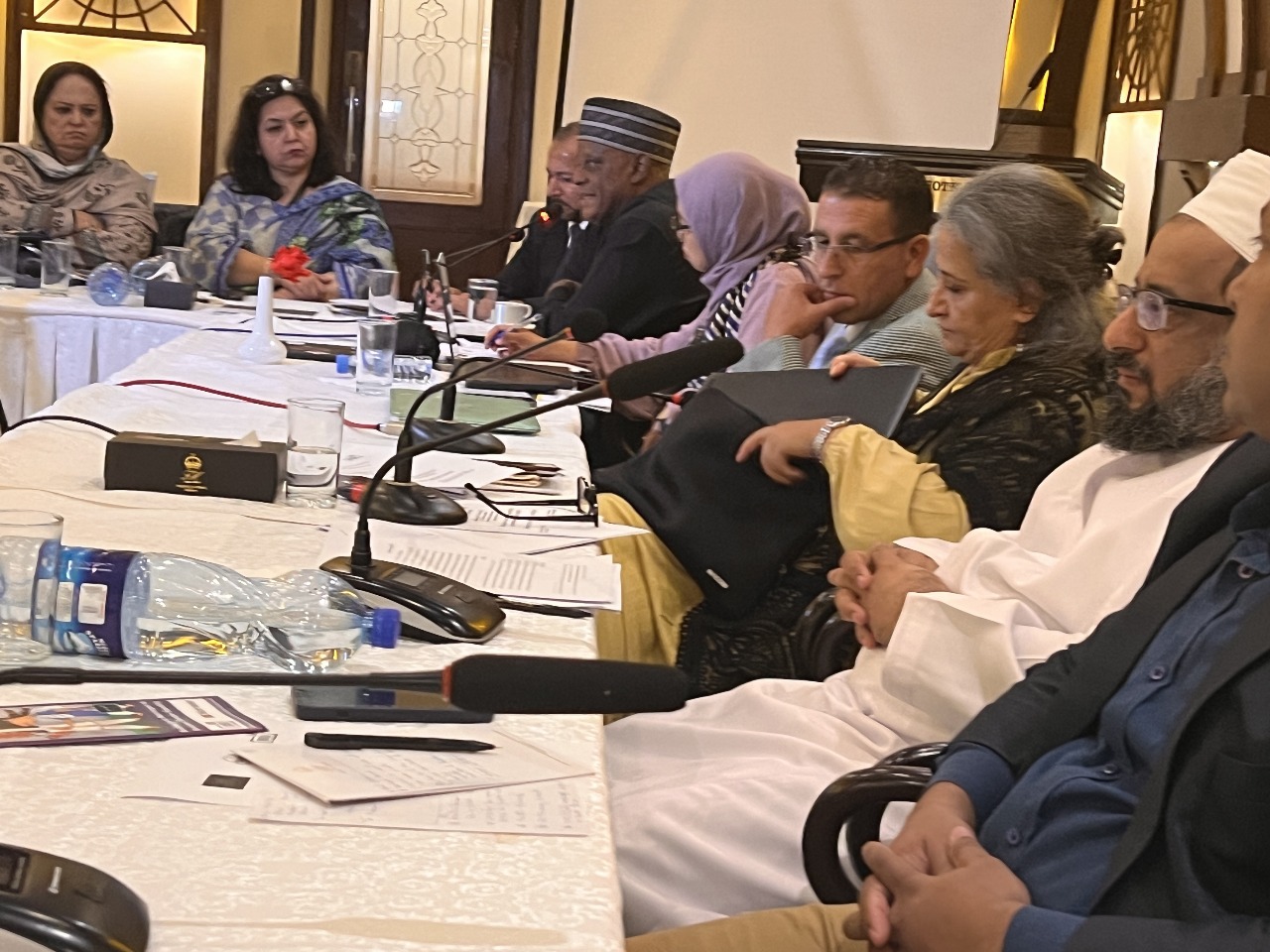
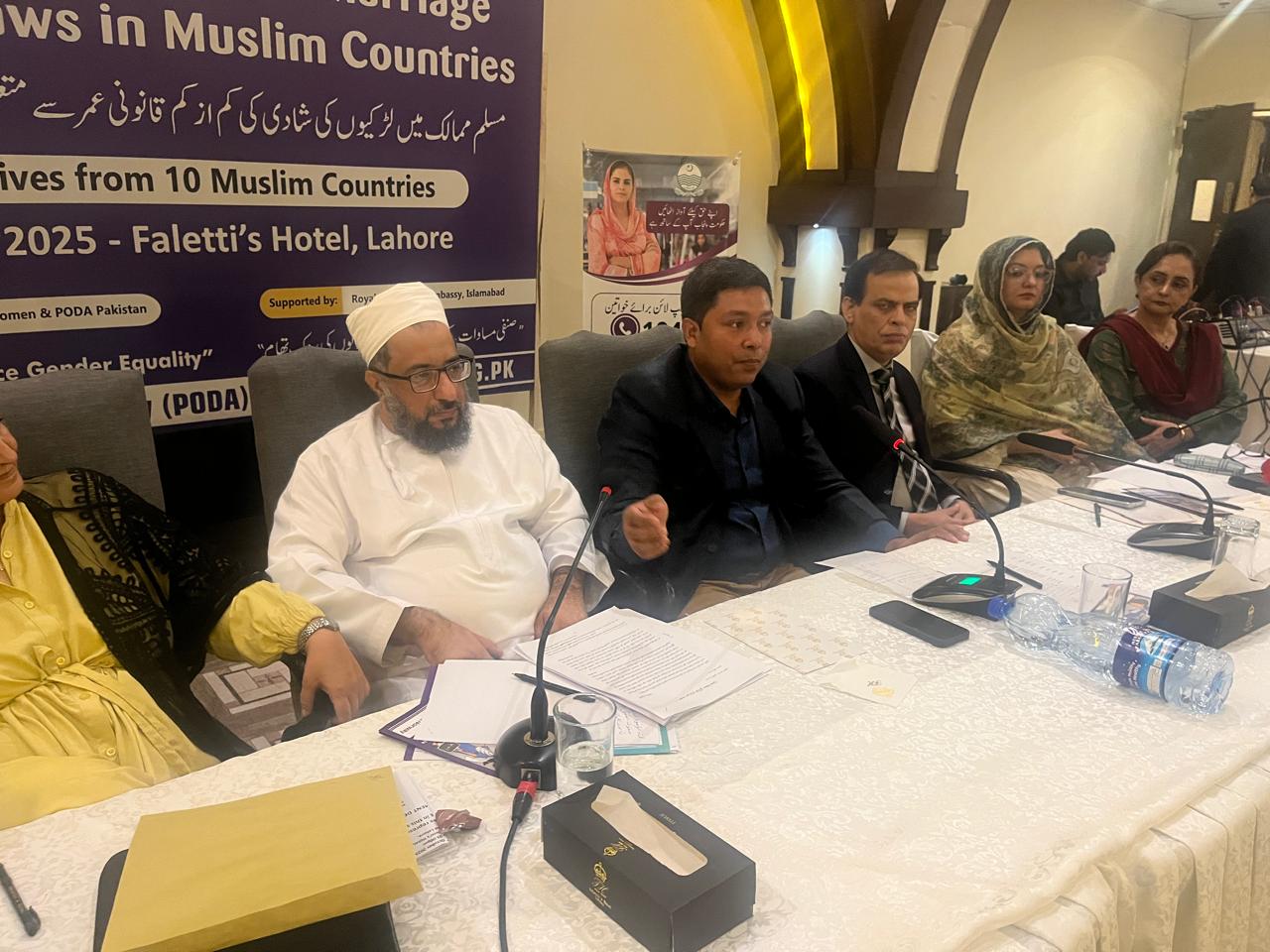
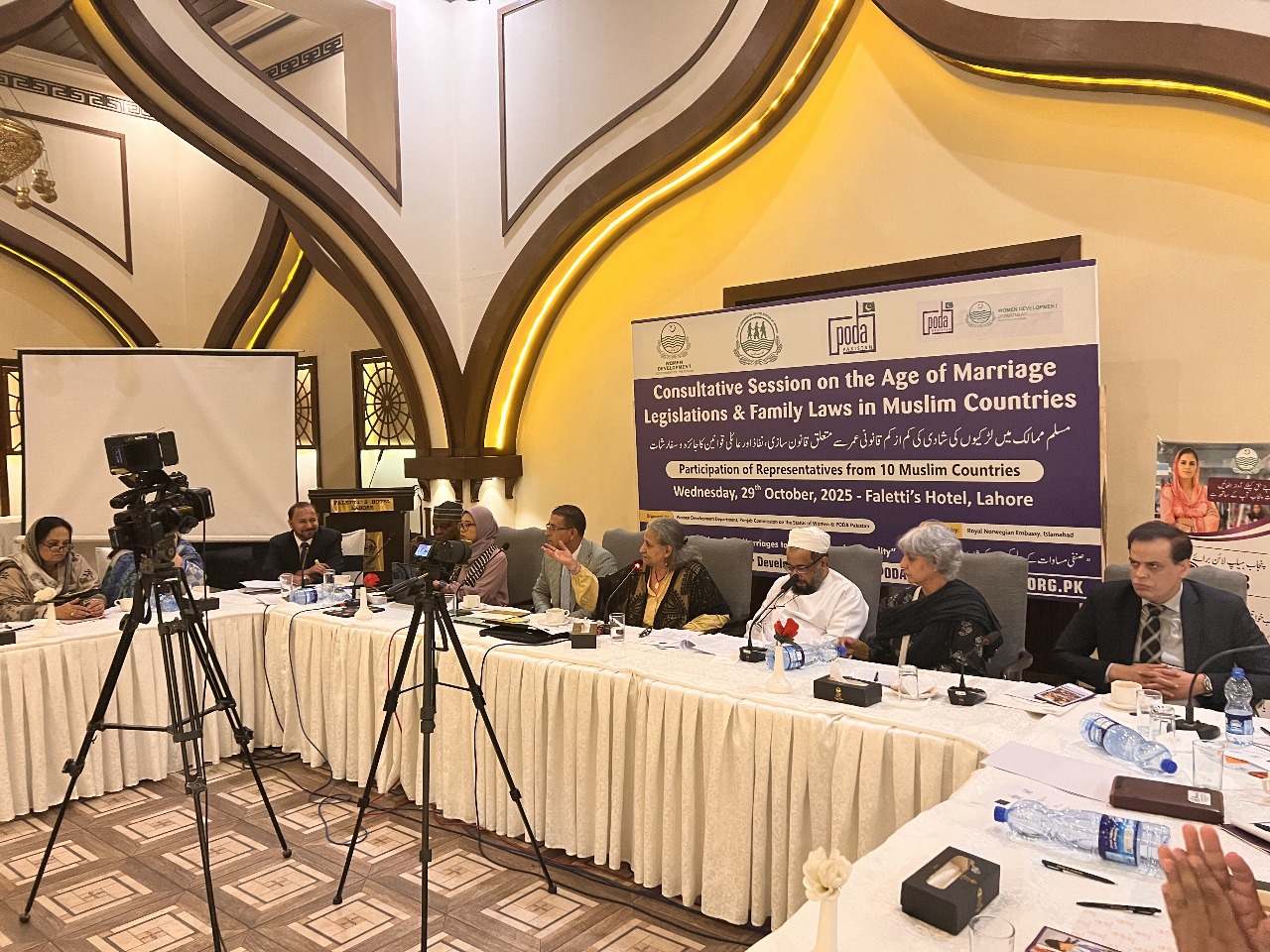
Lahore, Wednesday, 29 October 2025 — The Punjab Commission on the Status of Women (PCSW), the Women Development Department (WDD), Government of Punjab, and the Potohar Organization for Development Advocacy (PODA) organized a consultative session on Marriage Age Legislations and Muslim Family Laws with the support of the Royal Norwegian Embassy, Islamabad.
The session, organized by PODA with financial assistance from the Royal Norwegian Embassy, was part of the three-year project “Reduce Early Marriages to Enhance Gender Equality,” which will conclude in November 2025.
The event brought together international Muslim scholars and researchers from Bangladesh, Indonesia, Morocco, Nigeria, Oman, and Yemen, along with representatives from key provincial departments, including Law and Parliamentary Affairs, Women Protection Authority, Auqaf Department, Baitul Maal, Social Welfare, Local Government and Community Development, Police, Punjab Safe City Authority, Health and Population Welfare, and Education. Lawyers, religious scholars, civil society representatives, persons with disabilities, and academicians also participated in the discussion.
Panelists shared effective practices from Muslim countries that have set 18 years and above as the minimum legal age of marriage for both girls and boys. They emphasized that emotional and physical maturity are equally essential for building a strong and healthy Ummah.
Participants included Amal Basha (Yemen), Andi Nur Faizah (Indonesia), Prof. Aziz Mechout (Morocco), Badar bin Salim bin Hamadan (Oman), Balarabe A. Haruna (Nigeria), and Saimum Reza Talukder (Bangladesh).
Eight Members of the Punjab Provincial Assembly — Uzma Kardar, Rushda Lodhi, Safia Saeed, Ms. Fatima, Ms. Nasreen, Ms. Mumtaz Sumbal Maalik Hussain, and former MPA Shameela Aslam — joined voices in advocating for raising the minimum age of marriage for girls to 18 years across Pakistan. They stressed that protecting vulnerable girls from early marriages aligns with Islamic principles of justice, gender equality, and wellbeing.
Secretary PCSW, Ijaz Ahmed Joyia, in his welcoming remarks, stated that marriage is the foundation of a strong family structure — an area where faith, culture, law, and human rights intersect and require careful reflection and dialogue.
Imam of Badshahi Mosque, Qari Muhammad Anis, also attended the consultation and extended his support to the cause, reaffirming that safeguarding girls’ rights is both a moral and religious responsibility.
There was a shared understanding that Islam is a progressive religion that allows laws to evolve according to the needs and circumstances of society, provided they remain consistent with the teachings of the Quran and Sunnah.
Participants emphasized that the minimum age for marriage should be 18 years for both boys and girls, ensuring emotional, intellectual, and physical readiness for the social contract of marriage. The session highlighted the need for uniformity in family and marriage laws and called for establishing 18 years as the legal minimum marriage age for both men and women, aligning with Islamic principles and international human rights standards that promote maturity, consent, and protection of personal rights.
The participants further encouraged governments and religious authorities in Muslim countries to work collaboratively to harmonize laws that reflect both Islamic jurisprudence and contemporary social realities. The session concluded with a joint commitment to continue dialogue, conduct comparative legal research, and pursue coordinated policy actions among Muslim countries.
Faiza Ahsan, Additional Secretary WDD, and Muslim scholars distributed shields and certificates among the participants in recognition of their valuable contributions to the discourse.