Mobile Legal Aid Clinic – Day 2
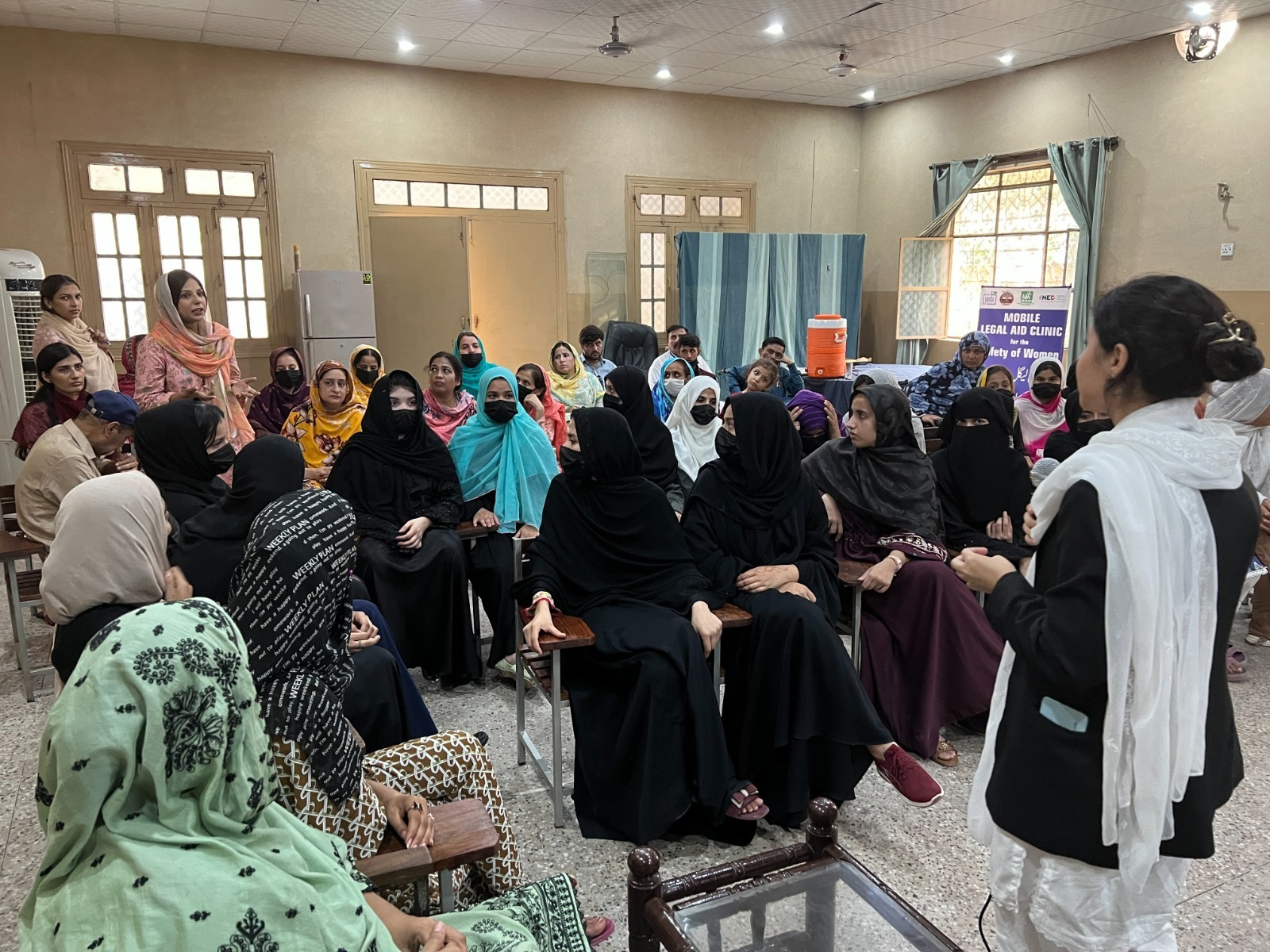
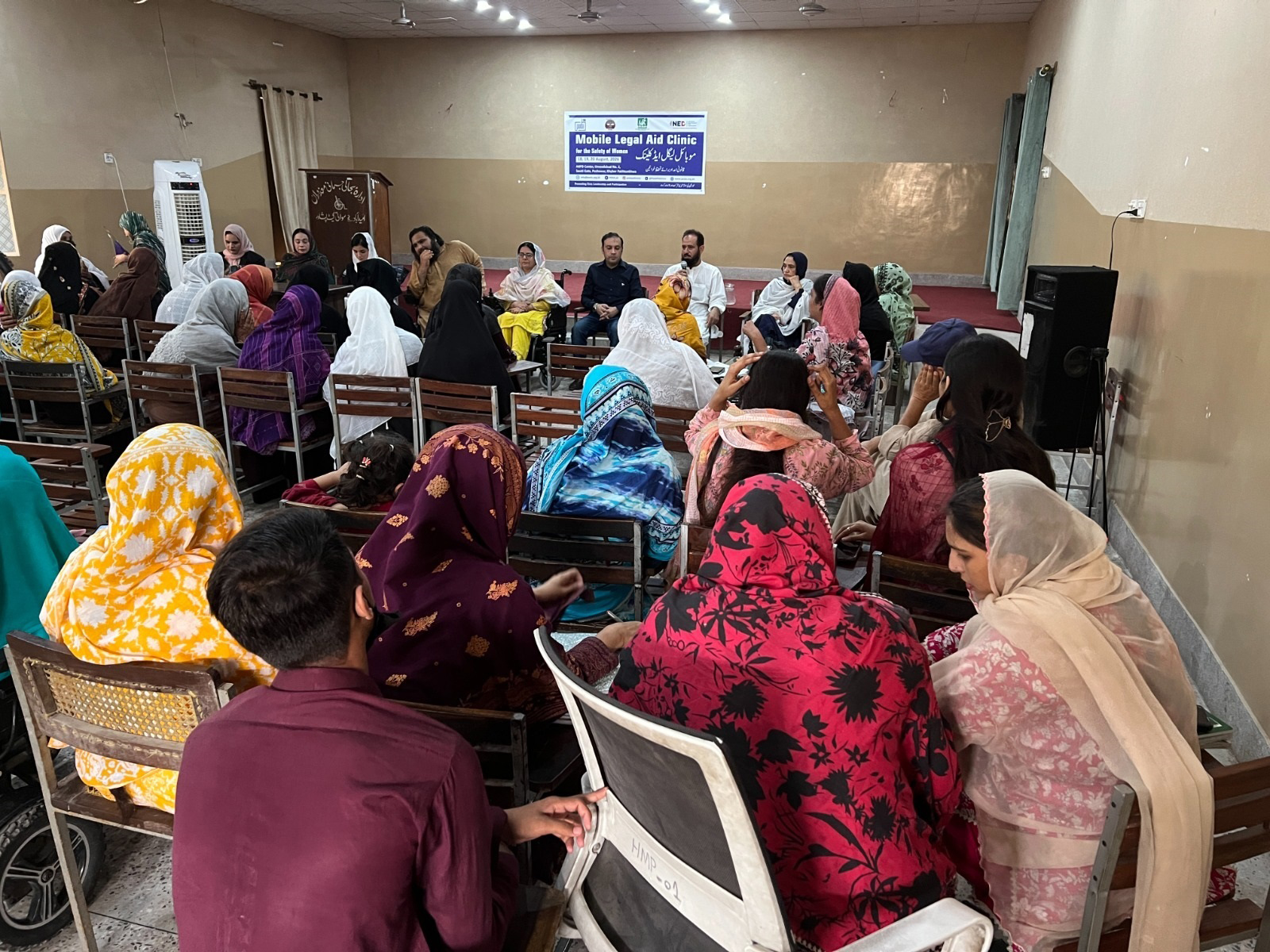
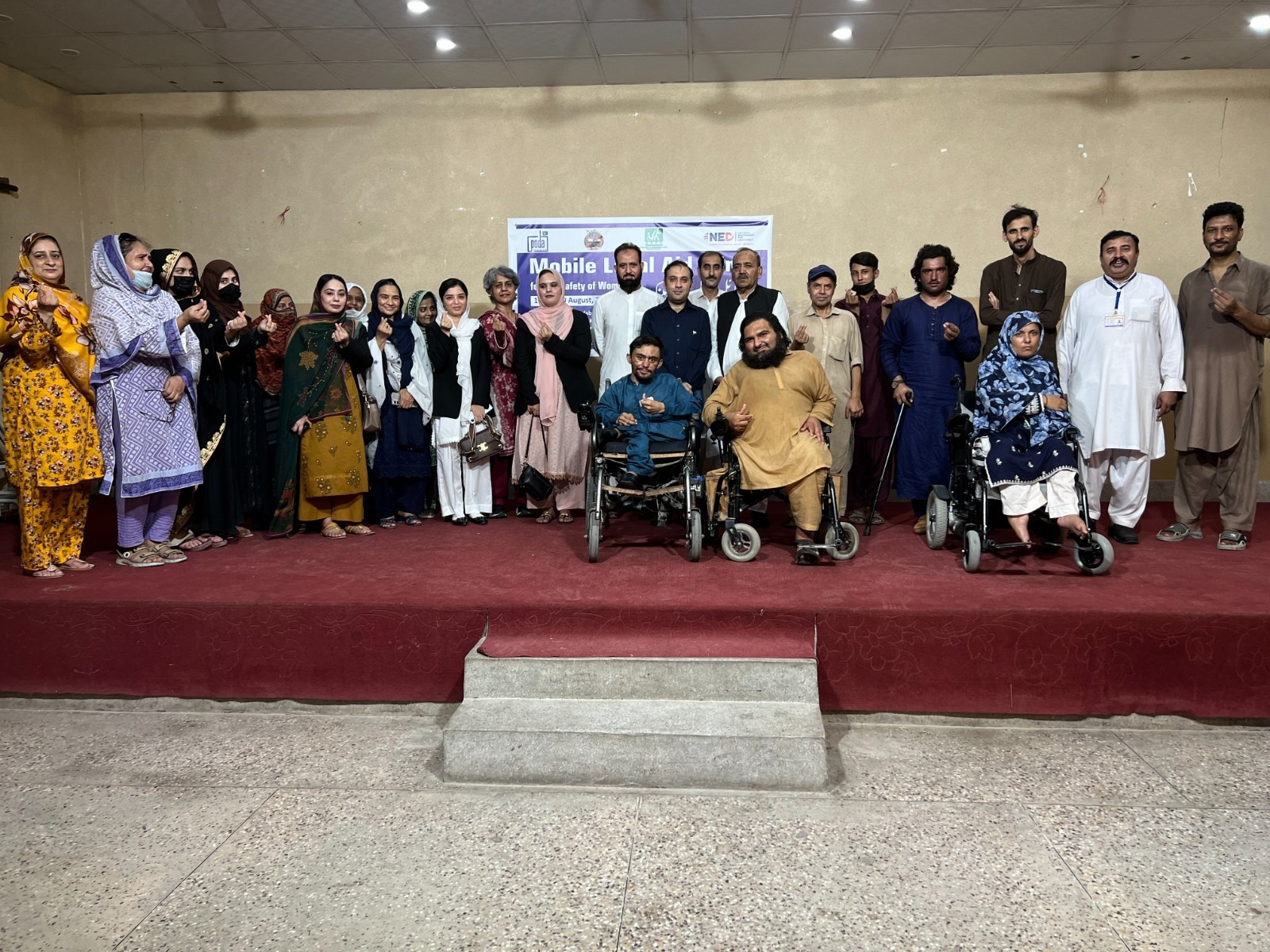
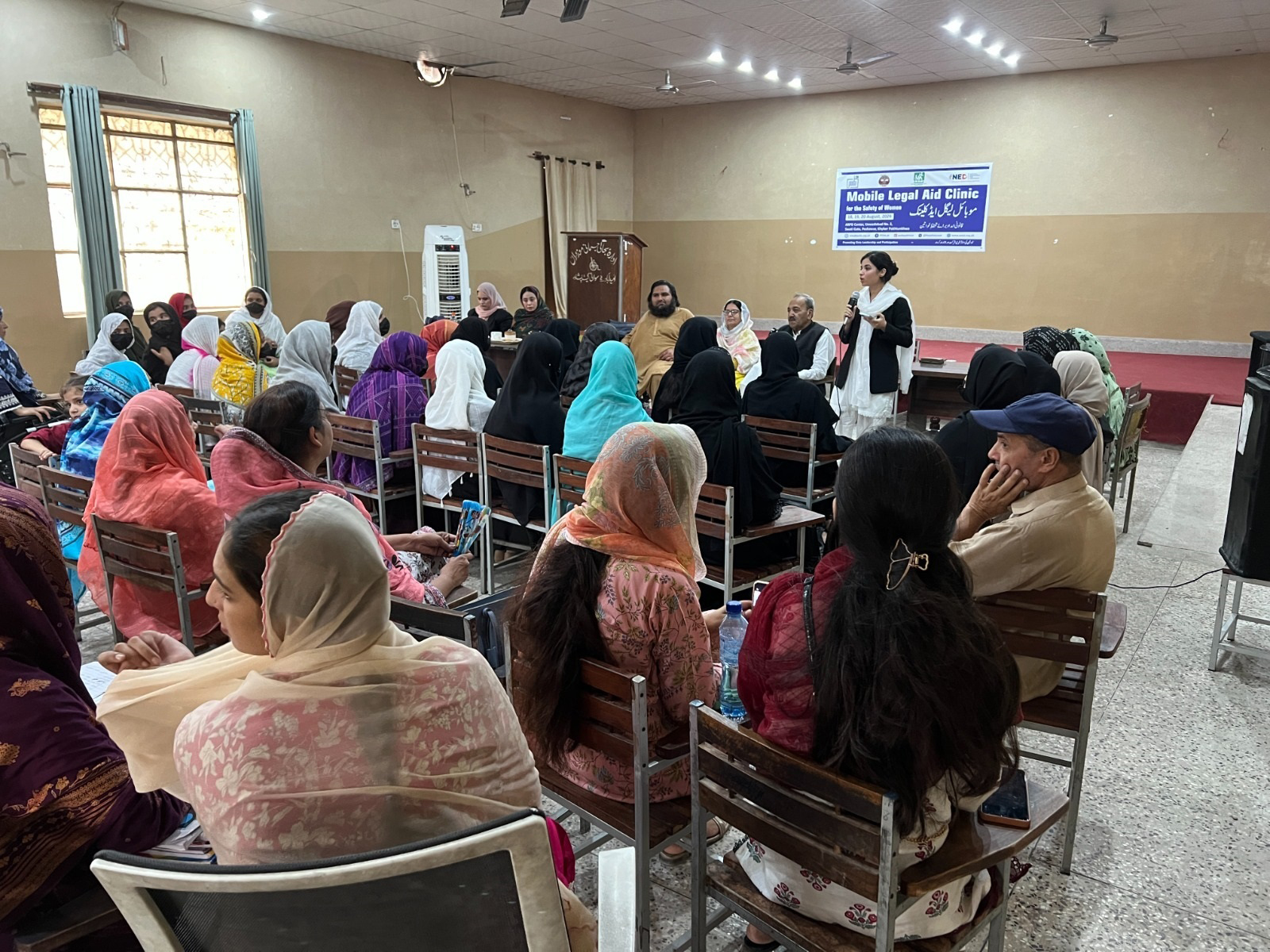
Wednesday, 19 August 2026: PODA, in collaboration with Noor-Mera Ghar (NET) and the Association for the Rehabilitation of Physically Disabled (ARPD), and with the assistance of the Right to Public Services Commission, Khyber Pakhtunkhwa (RTPSC-KP), and Water and Sanitation Services Peshawar (WSSP), conducted a Mobile Legal Aid Clinic to raise awareness among 70 women and girls about their rights and available public services, enabling them to better understand and access their entitlements.
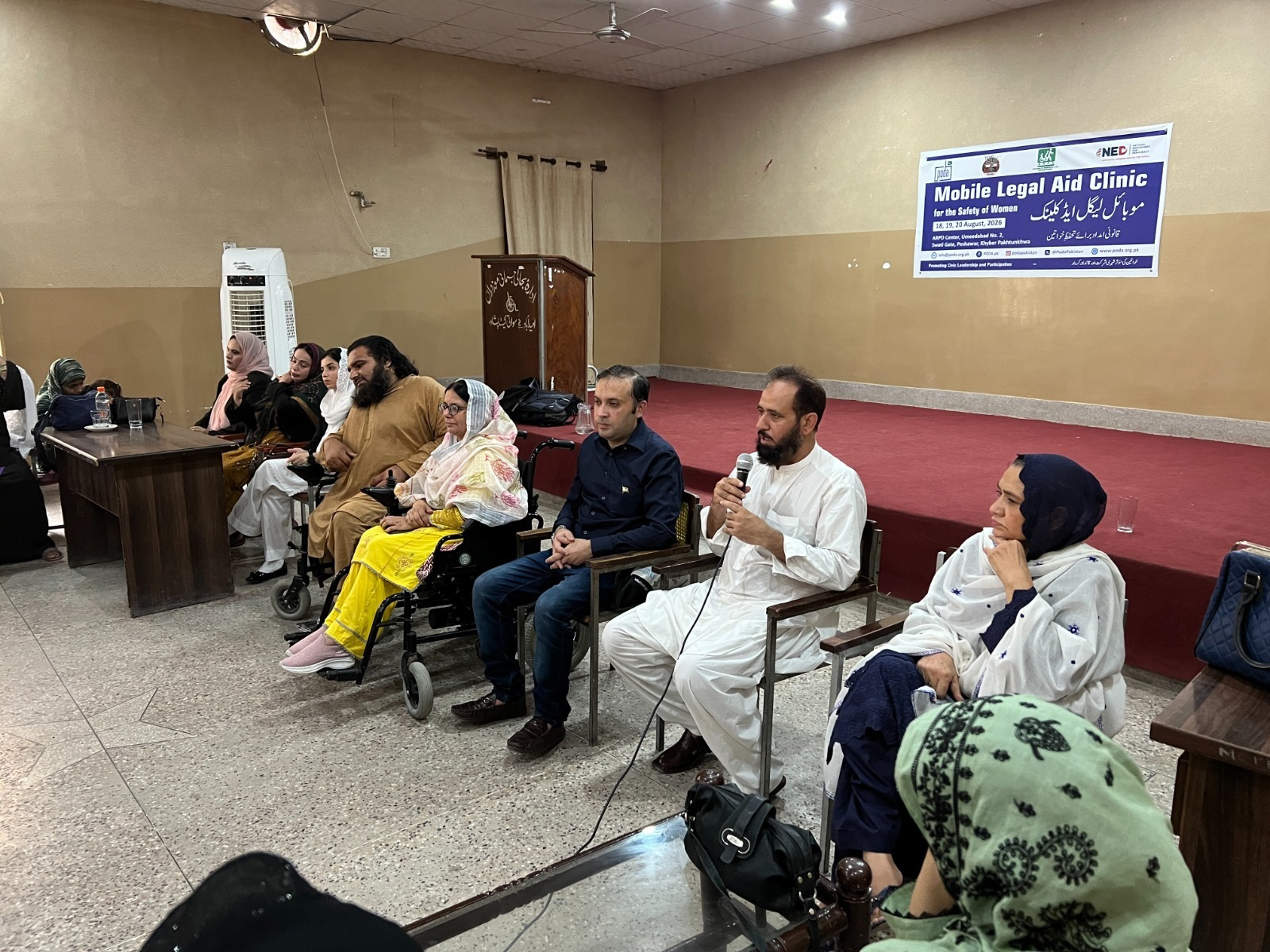
The District Monitoring Officer, Right to Public Services Commission, Khyber Pakhtunkhwa (RTPSC-KP), Tashfin Israr, briefed participants on the range of public services facilitated by the Commission, including health, education, revenue, industries, and labour. He encouraged women to approach the Commission for the redressal of complaints and grievances related to delays or difficulties in accessing these services.
Manager, Water and Sanitation Services Peshawar (WSSP), Muhammad Ismail, stressed the importance of women coming forward as active and responsible citizens and playing a proactive role in preventing the wastage of water. He highlighted that women are often at the forefront of managing household water needs and are therefore among those most directly affected by water scarcity.
The Mobile Legal Aid Clinic was held at the Rehabilitation Center of ARPD, Umeedabad, Peshawar, as part of the project “Promoting Civic Leadership and Participation,” supported by NED (National Endowment for Democracy).
A panel of three women lawyers, Advocate Zainab, Advocate Durri Nayab, and Advocate Maryam Zeb, representing Noor-Mera Ghar (NET), meaningfully addressed issues related to the lack of fundamental identity documents that many women face when approaching legal services and seeking to file cases. The lawyers also informed participants about the importance of obtaining and maintaining essential legal identity documents for accessing public services, exercising their legal rights, and pursuing legal remedies.
The women lawyers committed to taking up cases brought forward by participants and providing free legal assistance and follow-up on a pro bono basis to help them pursue their cases and access available legal remedies.
Various women participants highlighted issues in their respective communities that required immediate attention and action by the relevant authorities. The government officials present responded to these concerns and assured participants that the identified issues would be addressed, while also explaining the limitations and procedural constraints in certain cases.
ARPD supported the mobilisation of women and girls from the surrounding communities to attend the clinic and learn about the importance of obtaining legal identity documents as Pakistani citizens. The session particularly benefited young girls, who learned about the importance of obtaining their Computerized National Identity Cards (CNICs) upon reaching the age of 18. The discussion highlighted that low registration of women for CNICs can also contribute to lower voter registration among women, limiting their participation in democratic processes, decision-making, and the representation of issues affecting their priorities and interests.
The PODA team, comprising Advocate Khawaja Zahid Nasim and Nabeela Aslam, conducted the Mobile Legal Aid Clinic and facilitated the legal awareness session.