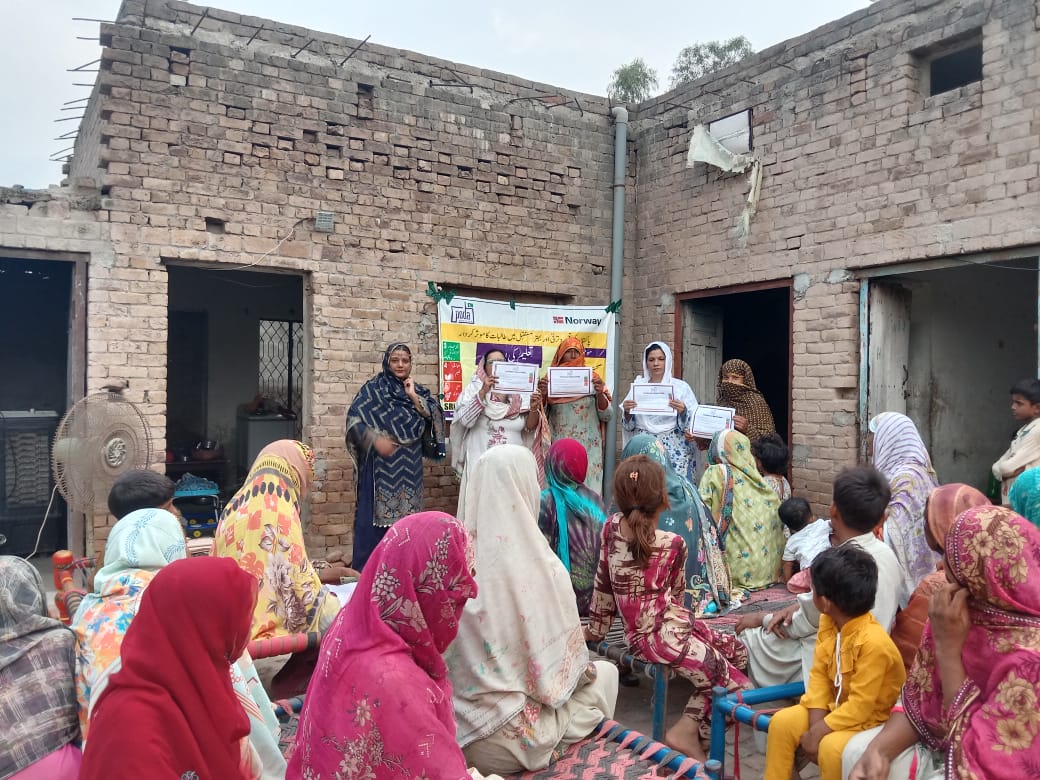
Awareness Session on MHM and SRHR Conducted by PODA in UC Jewa Wala, Bahawalnagar
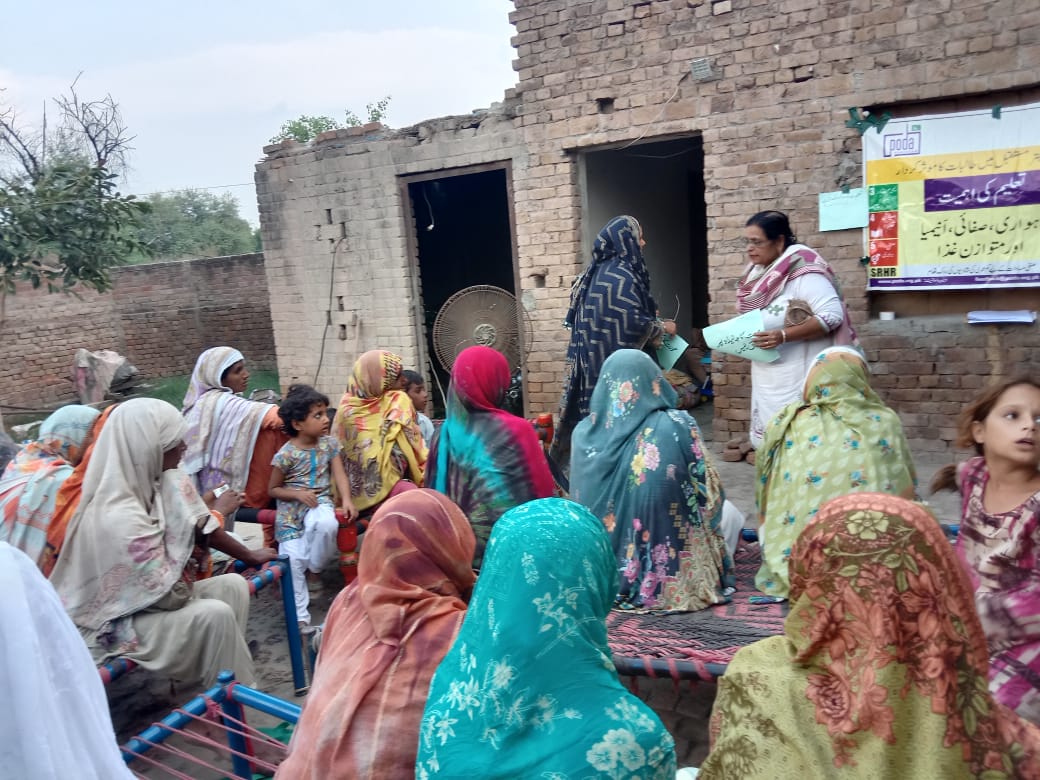
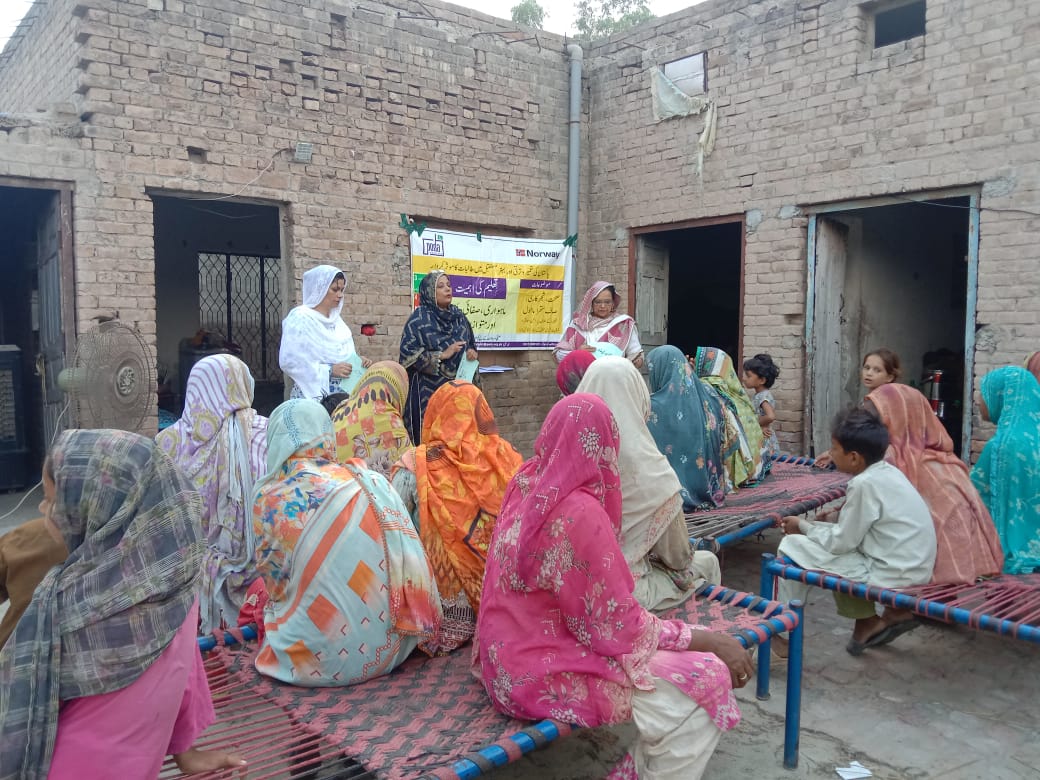
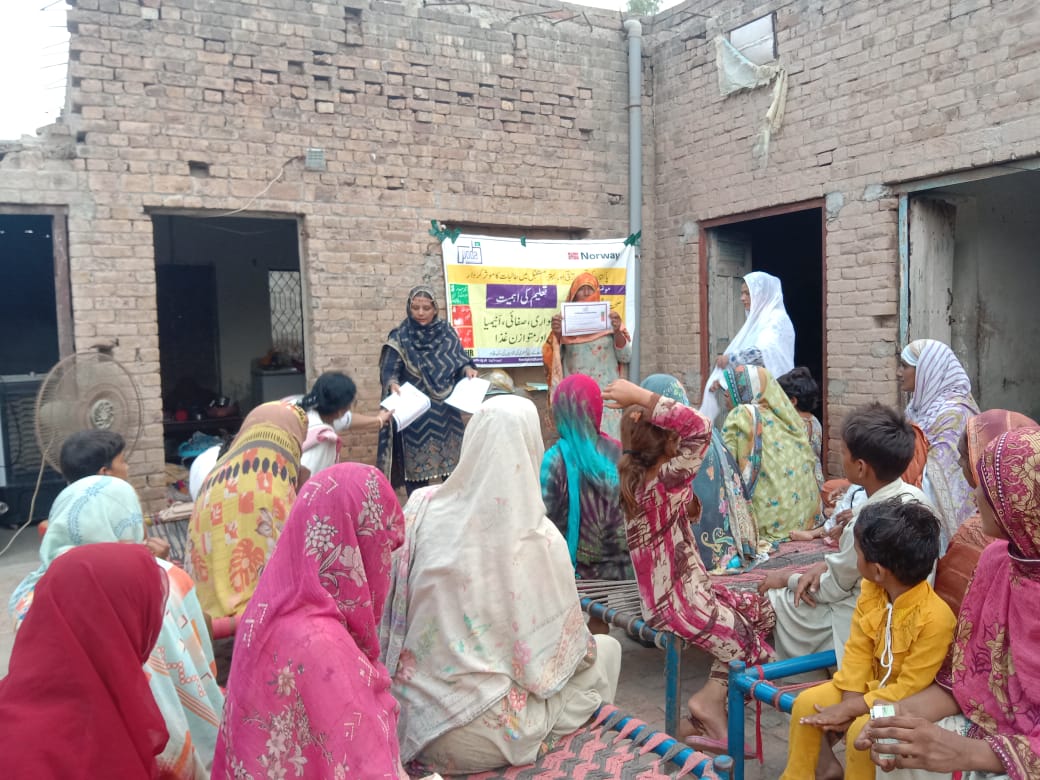
On August 29, 2025, in Union Council Jewa Wala, Tehsil Manchinabad, District Bahawalnagar, PODA organized an awareness session focused on girls’ and women’s reproductive health. The session was facilitated by PODA Woman Leader, Ms. Shahla Kouser, and specifically targeted mothers and young girls.
During the session, participants were informed that menstruation is a natural and biological process. Girls were encouraged to pay special attention to their diet, rest, and personal hygiene during their menstrual cycle. It was explained that maintaining a balanced diet helps keep the body healthy and can ease menstrual discomfort. Hygiene practices — such as using sanitary pads or clean cloth and disposing of them properly — were also emphasized as essential to maintaining good health.
When asked about their use of sanitary pads, many participants responded that pads available in the market are too costly. They shared that when there are several women or girls in a family, buying disposable pads regularly becomes an economic burden. This part of the discussion highlighted that while awareness is important, access to affordable menstrual products is equally critical for improving women’s health in rural areas.
Several women also shared that they — and their daughters — avoid bathing during menstruation, believing that it causes joint pain and other health issues. One woman commented, “پیٹ میں ہوا چلی جاتی ہے” (“air enters the stomach”). The facilitator addressed this, explaining that these are common myths without any scientific basis. On the contrary, avoiding hygiene and not bathing during menstruation increases the risk of infections.
Another concern raised was the delay in changing sanitary pads. Many women reported that they wait until the pad is fully soaked before replacing it, again due to cost concerns. To address this, the facilitator demonstrated how to make reusable sanitary pads at home: using a clean piece of cloth, layering it with cotton, covering it with another piece of cloth, and after use, washing and drying it thoroughly in sunlight.
Most of the participants were from rural areas and had limited prior knowledge about menstruation and reproductive health. Despite this, they showed deep interest in the session and asked several thoughtful questions. Some women shared that it is difficult to discuss such topics at home, but sessions like this help them gain the confidence to talk openly with their daughters and care for their health more effectively.
The facilitator emphasized the importance of staying clean and dry, and maintaining proper hydration during menstruation, in order to support better reproductive health and prevent infections.
At the end of the session, the participants strongly emphasized the need for more regular awareness programs so that a larger number of girls and women can benefit. Although the activity was small in scale, it introduced a new level of understanding among the participants and encouraged them to prioritize their personal hygiene and reproductive health.