The Bloom Is the Proof
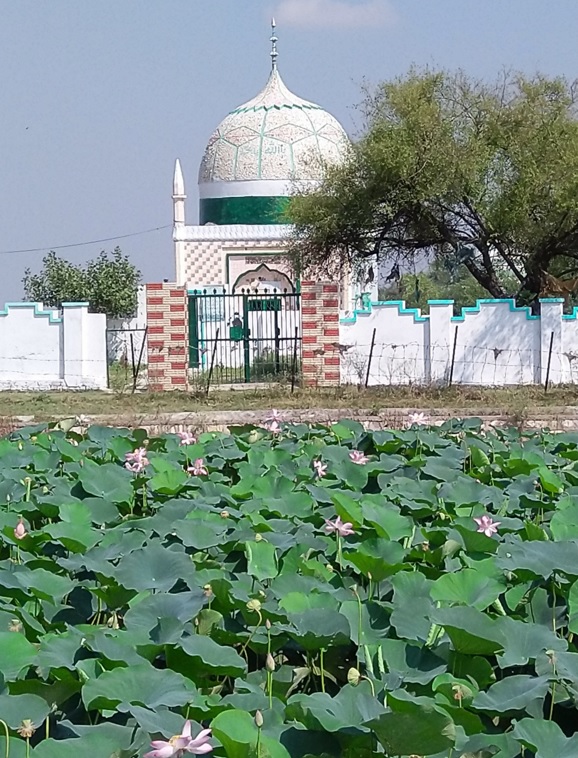
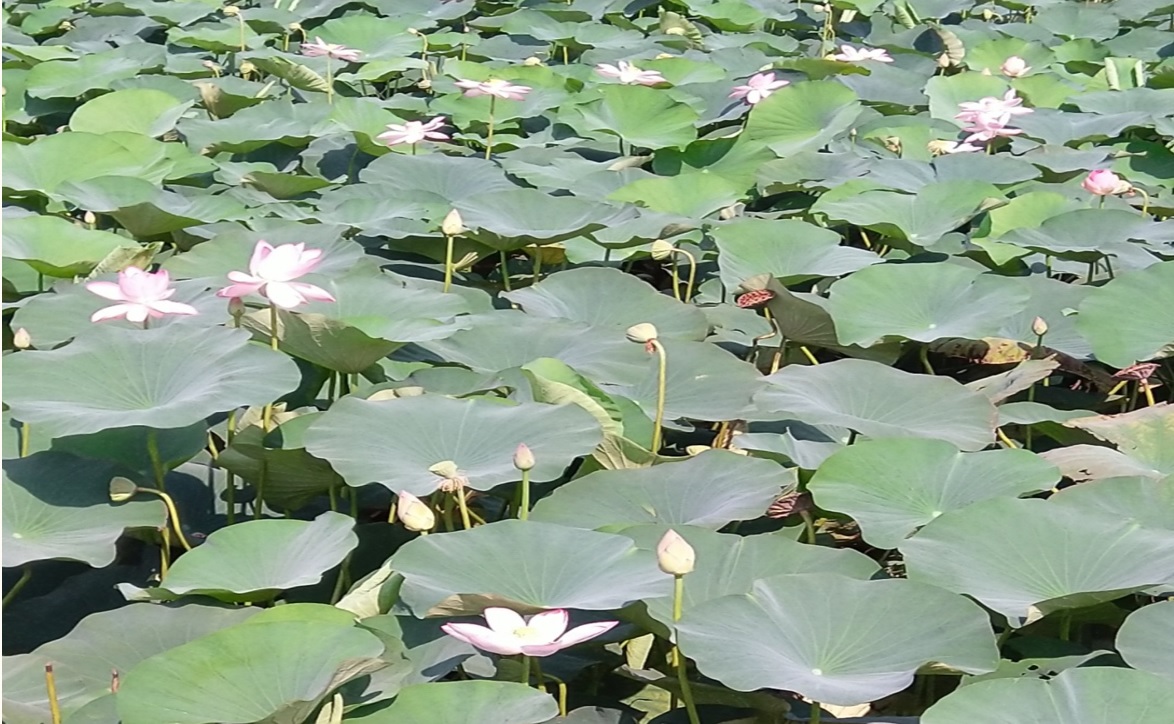
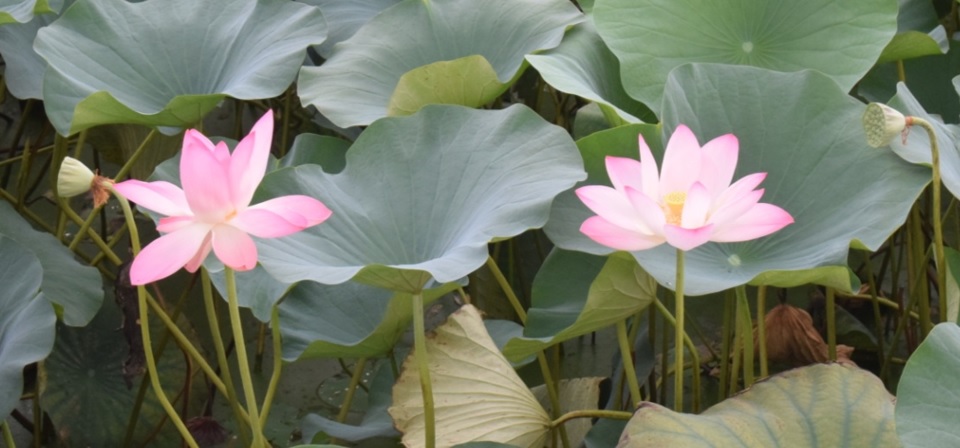
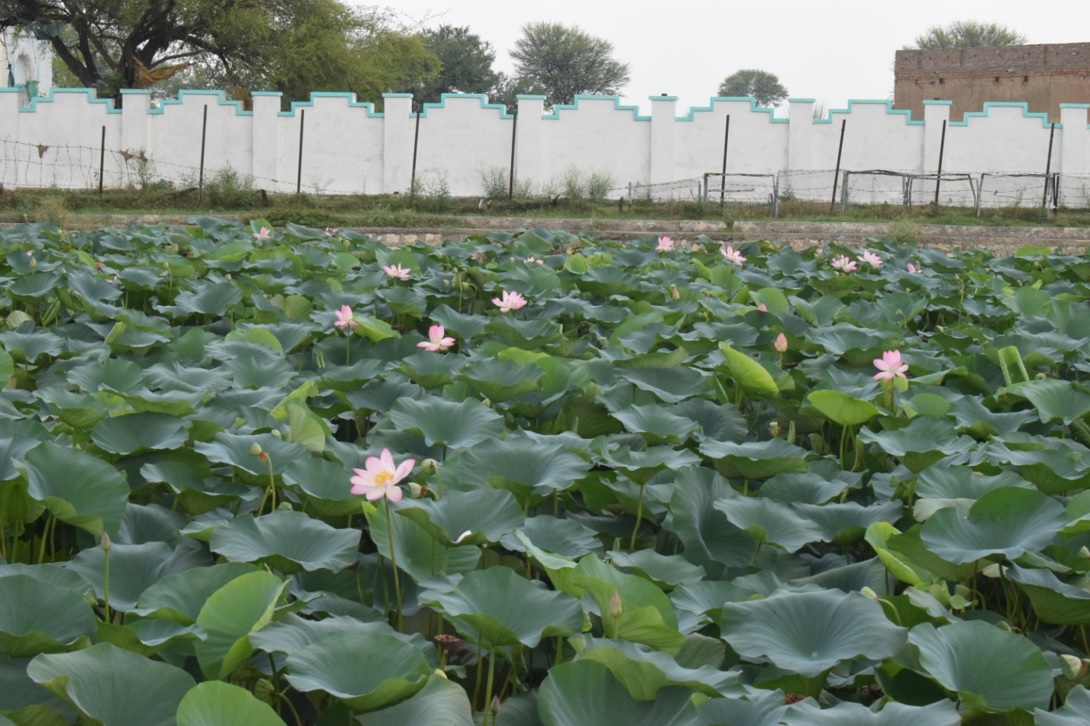
For more than four and a half centuries, the lotus pond at Naran Mughlan in Chakwal has continued to bloom every June and July. According to local history, the pond was established in the 1570s by Peer Syed Firoz Shah Shirazi, a Persian noble associated with Emperor Humayun’s court, who planted lotus seeds beside the Ber tree of his Khanqah village. The seeds took root, creating a living heritage that has survived generations. Today, the pond remains much more than a historical landmark. It reflects the resilience of a community that has learned to thrive despite the harsh climate and recurring water shortages of the Potohar Plateau.
The lotus pond functions as a natural ecological engine for the village. During the hot summer months, when temperatures exceed 40°C and canal water becomes scarce, the pond continues to receive organic waste from farms, dairy runoff and leaf litter from surrounding trees. The lotus rhizomes naturally filter and recycle these nutrients, keeping the water healthy. This clean water provides relief for buffaloes during extreme heat, helping them remain productive and supporting the women-led dairy collectives that have become an important source of household income. Every annual bloom is evidence of a healthy and sustainable cycle that benefits both people and nature.
This remarkable system survives because it is carefully maintained by the local community. Generations of villagers have combined traditional knowledge with practical management, ensuring that the pond continues to function as a natural water purifier and biodiversity habitat. Their stewardship includes maintaining the pond, managing grazing and water use, and ensuring that natural resources are used sustainably. What began as inherited wisdom has evolved into a community-led model of environmental conservation and climate resilience.
PODA strengthens and expands this local stewardship by working alongside communities throughout Chakwal and the wider Potohar region. Through training sessions, workshops, and field demonstrations, PODA equips women, youth, farmers, and local leaders with practical skills in biodiversity conservation, sustainable agriculture, water conservation, waste management, tree plantation, and climate resilience.
Through its work, PODA seeks to ensure that the lessons of Naran Mughlan become a model for many other communities, contributing to healthier ecosystems, more resilient livelihoods, and a sustainable future for generations to come.